Chris Terterian
Mastering E-Commerce Design: A Blueprint for Online Success
10 September
/
9 min read

When designing an e-commerce platform, the ultimate goal is to turn visitors into buyers and, eventually, into loyal customers. This doesn’t happen by chance—it requires a well-thought-out design strategy that prioritizes usability, trust, and delight. A successful e-commerce design should feel intuitive, be visually appealing, and, above all, make it easy for users to find and purchase the products they want.
Prioritize User-Friendly Navigation
Your navigation is the compass that guides users through your store. It should be clear, intuitive, and designed to help shoppers find what they need with minimal effort. Keep categories simple, logical, and avoid overwhelming visitors with too many options. A search bar, prominently placed and featuring predictive text, can also dramatically enhance the shopping experience by making it easier for users to get straight to what they want.
Product Pages that Convert
Product pages are the heart of an e-commerce site. This is where potential customers decide whether or not to make a purchase. Focus on providing high-quality images that allow users to see details clearly—include zoom options and multiple views to showcase products from every angle. The product description should be informative, well-written, and focus on benefits rather than just technical specs. User reviews and ratings add social proof, which is crucial for building trust.
Create a Frictionless Checkout Process
Abandoned carts are a common issue for e-commerce stores, and the checkout process is often where customers get frustrated. To combat this, simplify the checkout process as much as possible. Avoid asking for unnecessary information, provide clear steps, and ensure that shipping options and costs are transparent. Allowing guest checkout is also a great way to minimize friction, especially for first-time customers who may be hesitant to create an account.
The Power of Microinteractions
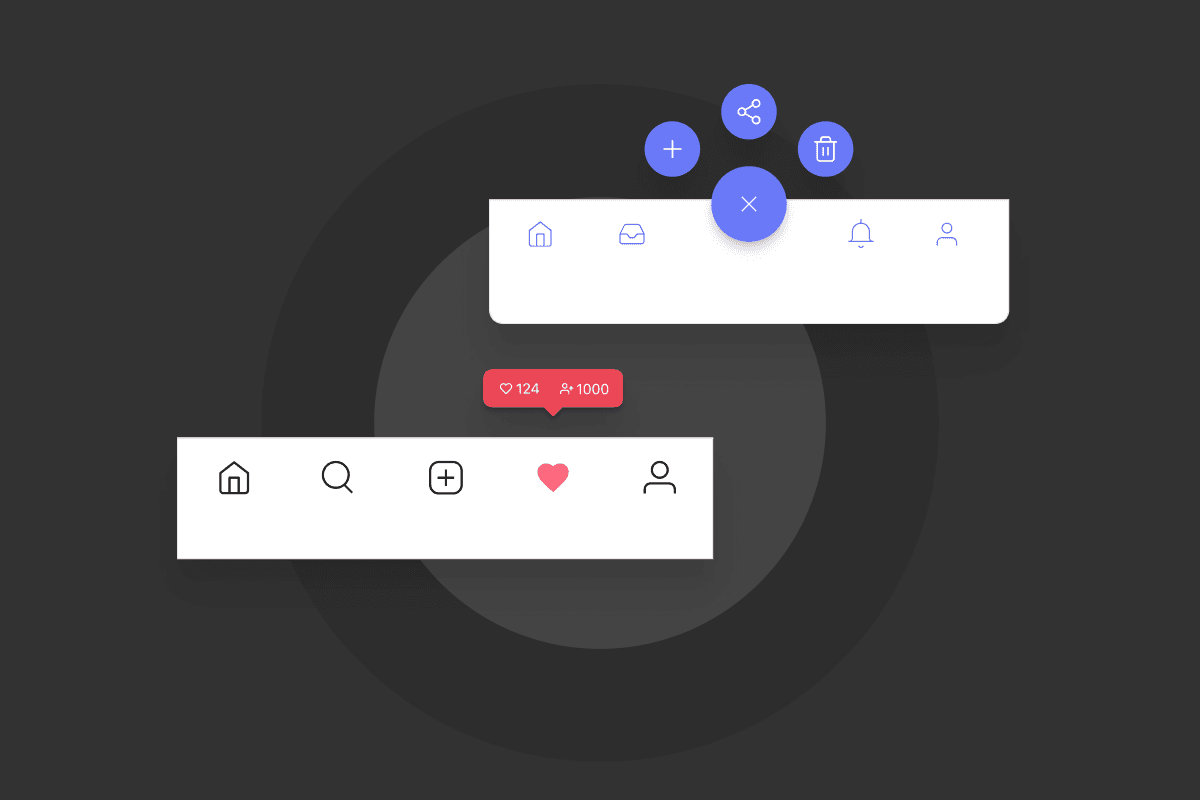
We recently talked about microinteractions and how they can enhance user experience—the same principles apply to e-commerce design. Microinteractions can make users feel more engaged with your site. For example, a subtle animation when adding an item to the cart or a progress bar during checkout can make the experience more dynamic and rewarding. These small touches can make your store feel polished and professional.
When designing an e-commerce platform, the ultimate goal is to turn visitors into buyers and, eventually, into loyal customers. This doesn’t happen by chance—it requires a well-thought-out design strategy that prioritizes usability, trust, and delight. A successful e-commerce design should feel intuitive, be visually appealing, and, above all, make it easy for users to find and purchase the products they want.
Prioritize User-Friendly Navigation
Your navigation is the compass that guides users through your store. It should be clear, intuitive, and designed to help shoppers find what they need with minimal effort. Keep categories simple, logical, and avoid overwhelming visitors with too many options. A search bar, prominently placed and featuring predictive text, can also dramatically enhance the shopping experience by making it easier for users to get straight to what they want.
Product Pages that Convert
Product pages are the heart of an e-commerce site. This is where potential customers decide whether or not to make a purchase. Focus on providing high-quality images that allow users to see details clearly—include zoom options and multiple views to showcase products from every angle. The product description should be informative, well-written, and focus on benefits rather than just technical specs. User reviews and ratings add social proof, which is crucial for building trust.
Create a Frictionless Checkout Process
Abandoned carts are a common issue for e-commerce stores, and the checkout process is often where customers get frustrated. To combat this, simplify the checkout process as much as possible. Avoid asking for unnecessary information, provide clear steps, and ensure that shipping options and costs are transparent. Allowing guest checkout is also a great way to minimize friction, especially for first-time customers who may be hesitant to create an account.
The Power of Microinteractions
We recently talked about microinteractions and how they can enhance user experience—the same principles apply to e-commerce design. Microinteractions can make users feel more engaged with your site. For example, a subtle animation when adding an item to the cart or a progress bar during checkout can make the experience more dynamic and rewarding. These small touches can make your store feel polished and professional.
When designing an e-commerce platform, the ultimate goal is to turn visitors into buyers and, eventually, into loyal customers. This doesn’t happen by chance—it requires a well-thought-out design strategy that prioritizes usability, trust, and delight. A successful e-commerce design should feel intuitive, be visually appealing, and, above all, make it easy for users to find and purchase the products they want.
Prioritize User-Friendly Navigation
Your navigation is the compass that guides users through your store. It should be clear, intuitive, and designed to help shoppers find what they need with minimal effort. Keep categories simple, logical, and avoid overwhelming visitors with too many options. A search bar, prominently placed and featuring predictive text, can also dramatically enhance the shopping experience by making it easier for users to get straight to what they want.
Product Pages that Convert
Product pages are the heart of an e-commerce site. This is where potential customers decide whether or not to make a purchase. Focus on providing high-quality images that allow users to see details clearly—include zoom options and multiple views to showcase products from every angle. The product description should be informative, well-written, and focus on benefits rather than just technical specs. User reviews and ratings add social proof, which is crucial for building trust.
Create a Frictionless Checkout Process
Abandoned carts are a common issue for e-commerce stores, and the checkout process is often where customers get frustrated. To combat this, simplify the checkout process as much as possible. Avoid asking for unnecessary information, provide clear steps, and ensure that shipping options and costs are transparent. Allowing guest checkout is also a great way to minimize friction, especially for first-time customers who may be hesitant to create an account.
The Power of Microinteractions
We recently talked about microinteractions and how they can enhance user experience—the same principles apply to e-commerce design. Microinteractions can make users feel more engaged with your site. For example, a subtle animation when adding an item to the cart or a progress bar during checkout can make the experience more dynamic and rewarding. These small touches can make your store feel polished and professional.
Build Trust Through Transparency
Trust is everything in e-commerce. Make sure your store communicates clearly and openly about key aspects like shipping, return policies, and payment security. Display trust badges, secure payment icons, and customer reviews prominently. Users are more likely to make a purchase if they feel your store is reliable and straightforward about what to expect.
Optimize for Mobile
Mobile shopping is no longer the future—it’s the present. Your e-commerce site must be fully optimized for mobile devices, ensuring a seamless experience across all screen sizes. Pay attention to page load times, make buttons easy to tap, and simplify forms for smaller screens. Remember, the mobile experience needs to feel just as effortless as desktop browsing.
Personalization and Engagement
Engaging users on a personal level can significantly increase conversions and loyalty. Consider how you can personalize your store’s experience based on user behavior. Dynamic product recommendations, personalized offers, and tailored content based on browsing history make customers feel understood and catered to, which can lead to higher satisfaction and repeat purchases.
Data-Driven Design Improvements
E-commerce success isn’t static—it requires ongoing iteration and improvement. Use data to understand how users are interacting with your site, where they drop off, and what pages are converting well. Analytics can help you identify problem areas, test new ideas, and ultimately make informed design decisions that drive better performance over time.
Closing Thoughts
Mastering e-commerce design is about blending creativity, empathy, and data-driven decisions to create an experience that resonates with users. Whether it’s making navigation a breeze, optimizing the checkout process, or adding delightful microinteractions, every detail contributes to the overall user experience. Remember, a well-designed e-commerce store doesn’t just sell products—it builds trust, delivers delight, and creates loyal customers.
Build Trust Through Transparency
Trust is everything in e-commerce. Make sure your store communicates clearly and openly about key aspects like shipping, return policies, and payment security. Display trust badges, secure payment icons, and customer reviews prominently. Users are more likely to make a purchase if they feel your store is reliable and straightforward about what to expect.
Optimize for Mobile
Mobile shopping is no longer the future—it’s the present. Your e-commerce site must be fully optimized for mobile devices, ensuring a seamless experience across all screen sizes. Pay attention to page load times, make buttons easy to tap, and simplify forms for smaller screens. Remember, the mobile experience needs to feel just as effortless as desktop browsing.
Personalization and Engagement
Engaging users on a personal level can significantly increase conversions and loyalty. Consider how you can personalize your store’s experience based on user behavior. Dynamic product recommendations, personalized offers, and tailored content based on browsing history make customers feel understood and catered to, which can lead to higher satisfaction and repeat purchases.
Data-Driven Design Improvements
E-commerce success isn’t static—it requires ongoing iteration and improvement. Use data to understand how users are interacting with your site, where they drop off, and what pages are converting well. Analytics can help you identify problem areas, test new ideas, and ultimately make informed design decisions that drive better performance over time.
Closing Thoughts
Mastering e-commerce design is about blending creativity, empathy, and data-driven decisions to create an experience that resonates with users. Whether it’s making navigation a breeze, optimizing the checkout process, or adding delightful microinteractions, every detail contributes to the overall user experience. Remember, a well-designed e-commerce store doesn’t just sell products—it builds trust, delivers delight, and creates loyal customers.
Build Trust Through Transparency
Trust is everything in e-commerce. Make sure your store communicates clearly and openly about key aspects like shipping, return policies, and payment security. Display trust badges, secure payment icons, and customer reviews prominently. Users are more likely to make a purchase if they feel your store is reliable and straightforward about what to expect.
Optimize for Mobile
Mobile shopping is no longer the future—it’s the present. Your e-commerce site must be fully optimized for mobile devices, ensuring a seamless experience across all screen sizes. Pay attention to page load times, make buttons easy to tap, and simplify forms for smaller screens. Remember, the mobile experience needs to feel just as effortless as desktop browsing.
Personalization and Engagement
Engaging users on a personal level can significantly increase conversions and loyalty. Consider how you can personalize your store’s experience based on user behavior. Dynamic product recommendations, personalized offers, and tailored content based on browsing history make customers feel understood and catered to, which can lead to higher satisfaction and repeat purchases.
Data-Driven Design Improvements
E-commerce success isn’t static—it requires ongoing iteration and improvement. Use data to understand how users are interacting with your site, where they drop off, and what pages are converting well. Analytics can help you identify problem areas, test new ideas, and ultimately make informed design decisions that drive better performance over time.
Closing Thoughts
Mastering e-commerce design is about blending creativity, empathy, and data-driven decisions to create an experience that resonates with users. Whether it’s making navigation a breeze, optimizing the checkout process, or adding delightful microinteractions, every detail contributes to the overall user experience. Remember, a well-designed e-commerce store doesn’t just sell products—it builds trust, delivers delight, and creates loyal customers.
Chris Terterian
Share Article
Share Article
Share Article